
Introduction
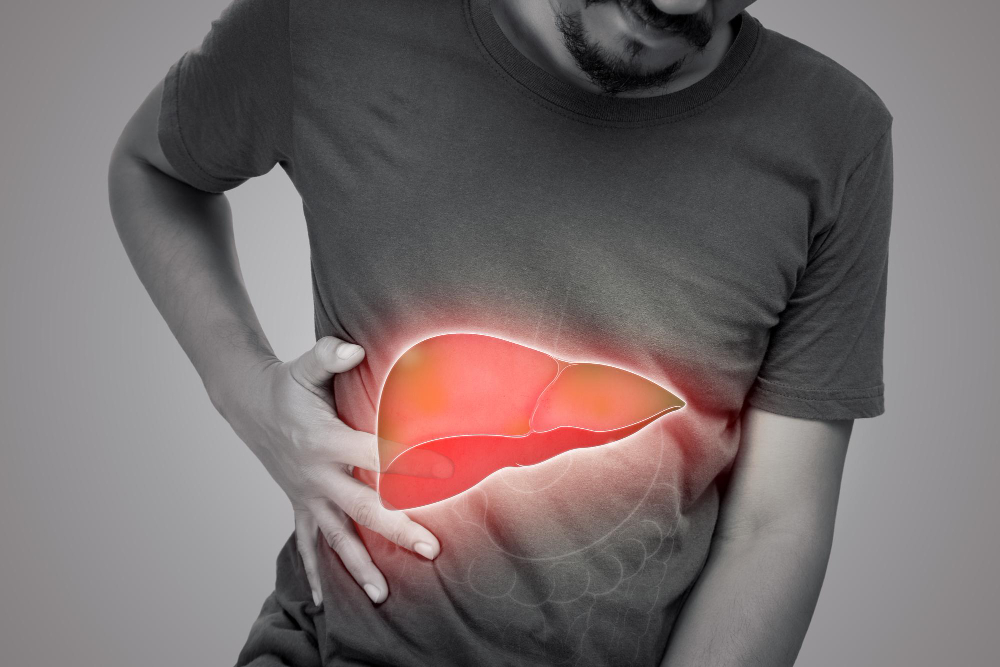
Liver diseases can affect anyone, but knowing how to prevent and treat them is important. The liver is a vital organ that helps your body digest food, store energy, and remove toxins. Because of this, liver health is key to your overall well-being. In this blog, you will learn about liver diseases, liver disease prevention, liver disease treatment, and how to manage liver diseases. By understanding the signs of liver problems and following healthy habits, you can protect your liver and stay healthy.
What Are Liver Diseases?
Liver diseases are conditions that harm the liver and stop it from working well. For example, some common types include hepatitis, fatty liver disease, cirrhosis, and liver cancer. Each type affects the liver in different ways. However, all can lead to serious health problems if not managed early. The liver has many jobs, so any damage can cause big changes in your health. That is why learning about liver disease management is so important.
Common Symptoms of Liver Diseases
Often, liver diseases do not show clear signs at first. But as the disease gets worse, you may notice symptoms. For instance, watch for these signs of liver problems:
If you notice any of these symptoms, it is important to talk to a doctor. Early detection can help with better liver disease treatment.
Causes and Risk Factors
Many things can cause liver diseases. For example, viruses like hepatitis A, B, or C can infect the liver. Drinking too much alcohol is another common cause. In addition, being overweight can lead to fatty liver disease. Some medicines or toxins may also harm the liver. Genetics can play a role as well. Because of these risks, it is important to know your family history and avoid harmful habits. According to the World Health Organization (WHO), viral hepatitis and alcohol use are leading causes worldwide.
Diagnosis of Liver Diseases
Doctors use several tests to find liver diseases. First, they may ask about your symptoms and medical history. Next, blood tests can check how well your liver is working. Sometimes, imaging tests like ultrasound or CT scans help doctors see the liver’s shape and size. In some cases, a liver biopsy may be needed. This means taking a small sample of liver tissue to look for damage. Early diagnosis helps with better liver disease management and treatment.
Treatment Options for Liver Diseases
Treatment depends on the type and cause of the liver disease. For example, viral hepatitis may need antiviral medicines. If alcohol is the cause, stopping drinking can help the liver heal. In some cases, doctors may suggest lifestyle changes, such as losing weight or eating a healthy diet. Sometimes, medicines can control symptoms or slow the disease. In severe cases, a liver transplant may be needed. Because each person is different, your doctor will choose the best liver disease treatment for you.
Prevention Tips and Healthy Lifestyle Guidance
Preventing liver disease is possible with healthy habits. Here are some tips for liver health:
Additionally, regular check-ups can help catch problems early. If you live in areas with higher rates of hepatitis, take extra care with food and water safety. The Centers for Disease Control and Prevention (CDC) also recommends routine screening for those at risk.
When to See a Doctor
If you notice signs of liver problems, do not wait. For example, yellow skin, swelling, or ongoing tiredness should be checked by a doctor. Even if you feel fine, regular health checks are important, especially if you have risk factors. Early treatment can prevent serious problems and help you manage liver diseases better.
Conclusion
In summary, liver diseases can be serious, but you can take steps to prevent and manage them. Knowing the symptoms, causes, and treatment options helps you stay healthy. Remember, healthy habits and regular check-ups are key for liver health. Consult a healthcare specialist for personalized advice on liver disease prevention and treatment.