What is ARDS?
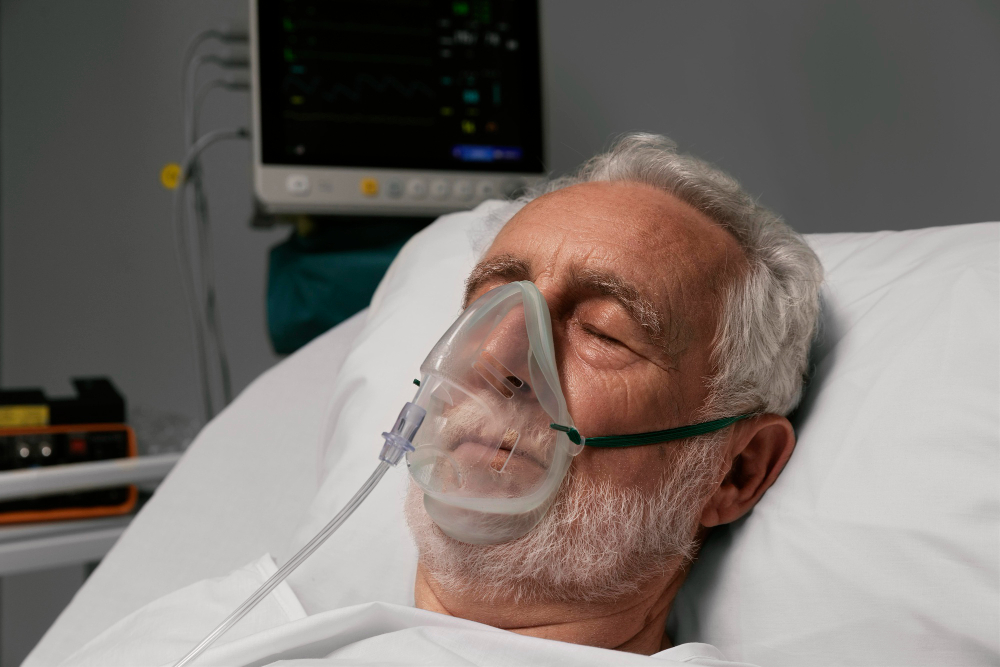
ARDS, or Acute Respiratory Distress Syndrome, is a serious lung condition. It happens when fluid builds up in the air sacs of the lungs. Because of this, the lungs cannot provide enough oxygen to the body. ARDS can develop quickly and often needs urgent medical care. According to the CDC, ARDS affects both adults and children. Although it is rare, it can be life-threatening if not treated early.
Symptoms of ARDS
Early signs of ARDS can be hard to spot. However, symptoms often appear within hours or days after an injury or illness. For example, you may notice:
Because these symptoms can worsen quickly, it is important to seek help right away if you notice them.
Causes and Risk Factors
ARDS is not a disease by itself. Instead, it is a reaction to another problem in the body. Common causes include:
Some people are at higher risk for ARDS. For instance, those with chronic lung disease, older adults, or people with weakened immune systems may be more likely to develop ARDS. Additionally, people who smoke or drink heavily also face higher risks.
Diagnosis of ARDS
Doctors use several steps to diagnose ARDS. First, they check your symptoms and medical history. Then, they may order tests such as:
Because ARDS shares symptoms with other lung issues, doctors must rule out other causes. This careful process helps ensure the right treatment is given. For more details, the CDC and WHO provide helpful information on how ARDS is diagnosed.
Treatment Options
ARDS treatment usually takes place in a hospital. Often, patients need care in an intensive care unit (ICU). The main goals are to improve oxygen levels and treat the cause of ARDS. Treatment options include:
Because recovery can take time, some people may need physical therapy after leaving the hospital. Early treatment improves the chances of recovery.
Prevention and Lifestyle Tips
While not all cases of ARDS can be prevented, you can lower your risk. Here are some helpful tips:
By following these steps, you can help protect your lungs and overall health.
When to Seek Medical Help
If you or someone you know has trouble breathing, seek medical help right away. Especially if symptoms appear suddenly or get worse, quick action can save lives. For example, call emergency services if you notice blue lips, severe shortness of breath, or confusion. Early treatment is key to better outcomes with ARDS.
For more information or if you have concerns about ARDS, consult a healthcare professional for personalized advice.