What Are Thyroid Disorders in Pregnancy?
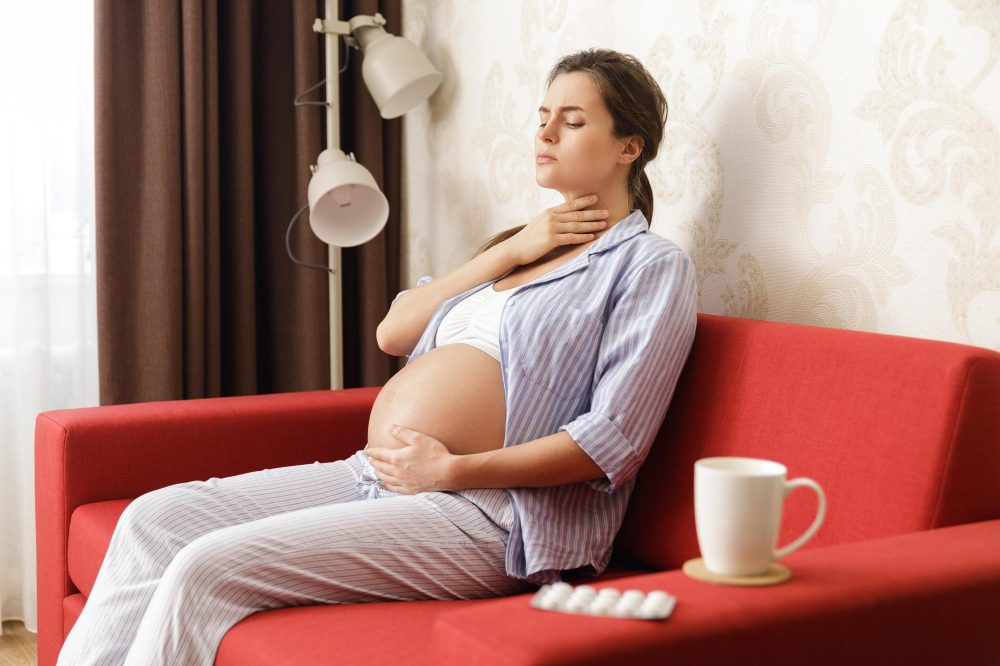
Thyroid disorders in pregnancy happen when the thyroid gland does not work as it should during pregnancy. The thyroid is a small gland in your neck. It makes hormones that control your body’s energy and many other functions. During pregnancy, your body needs more thyroid hormones. Sometimes, the thyroid makes too much or too little hormone. This can cause problems for both mother and baby. Thyroid problems during pregnancy include hypothyroidism (too little hormone) and hyperthyroidism (too much hormone). Early detection and proper pregnancy thyroid management are important for a healthy pregnancy.
Common Symptoms
Thyroid disorders can cause many symptoms. However, some signs may be mild or similar to normal pregnancy changes. Still, it is important to watch for these symptoms:
Because these symptoms can be subtle, it is wise to talk to your doctor if you notice any changes.
Causes and Risk Factors
Several things can cause thyroid disorders in pregnancy. For example, some women may have thyroid problems before pregnancy. Others may develop them during pregnancy. Here are some common causes and risk factors:
Knowing your risk can help you and your doctor watch for early signs.
How Thyroid Disorders Affect Pregnancy
Thyroid disorders can affect both mother and baby. For instance, untreated hypothyroidism in pregnancy may lead to:
On the other hand, hyperthyroidism in pregnancy can cause:
Therefore, managing thyroid problems during pregnancy is very important for a healthy outcome.
Diagnosis and Screening
Doctors use blood tests to check thyroid hormone levels. Usually, they measure TSH (thyroid-stimulating hormone) and sometimes T4 or T3 hormones. If you have symptoms or risk factors, your doctor may suggest screening early in pregnancy. In some cases, doctors may repeat tests during pregnancy to monitor changes. Early diagnosis helps with better pregnancy thyroid management.
Treatment Options
Treatment depends on the type of thyroid disorder. For hypothyroidism in pregnancy, doctors often prescribe a safe thyroid hormone pill called levothyroxine. For hyperthyroidism in pregnancy, doctors may use medicines that lower thyroid hormone levels. However, some medicines are safer at certain stages of pregnancy. Your doctor will choose the best option for you. Regular check-ups and blood tests help keep hormone levels in a safe range.
Lifestyle Tips and Prevention
While not all thyroid disorders can be prevented, some steps may help lower your risk. For example, you can:
Additionally, always follow your doctor’s advice for pregnancy thyroid management.
When to See a Doctor
If you notice symptoms like extreme tiredness, rapid heartbeat, or swelling in your neck, see your doctor soon. Also, if you have a history of thyroid problems or risk factors, talk to your healthcare provider before or early in pregnancy. Early care can help prevent problems for you and your baby.
In summary, thyroid disorders in pregnancy can be managed with the right care. Consult a healthcare provider for personalized advice on thyroid disorders in pregnancy.