What is Fatty Liver?
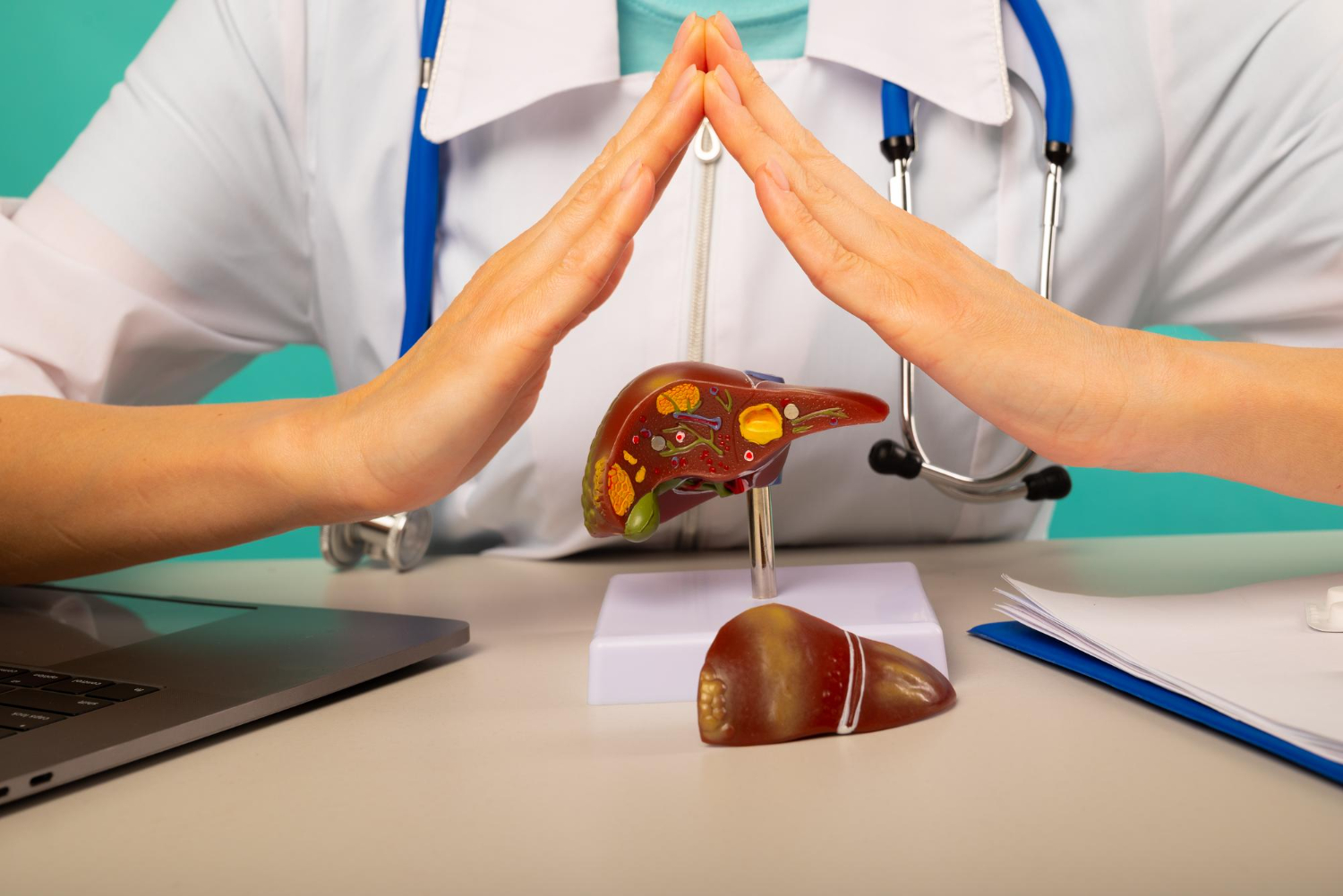
Fatty liver happens when too much fat builds up in your liver cells. This condition is also called hepatic steatosis. While a small amount of fat is normal, too much can harm your liver. Early fatty liver reversal is important because it can stop the problem from getting worse. If left untreated, fatty liver can lead to serious health issues. Preventing fatty liver progression is possible with the right steps. Many people do not notice symptoms at first, so early action is key. Simple liver health tips can help you protect your liver and overall well-being.
Early Signs and Symptoms
Often, fatty liver does not cause clear symptoms in the beginning. However, some people may notice mild signs. For example, you might feel tired more often. Sometimes, there is a dull pain in the upper right side of your belly. In rare cases, you may lose your appetite or feel weak. Because these signs are easy to miss, regular check-ups are important. Early detection helps with early fatty liver reversal. If you notice any of these symptoms, talk to your doctor soon.
Causes and Risk Factors
Many things can cause fatty liver. Some common causes and risk factors include:
Because these factors are common, it is important to know your risks. Making healthy choices can lower your chances of developing fatty liver.
Why Early Reversal Matters
Early reversal of fatty liver can prevent serious problems. If you act early, you can stop liver damage before it starts. Over time, untreated fatty liver can lead to liver inflammation, scarring, or even liver failure. In some cases, it may increase the risk of liver cancer. However, early fatty liver reversal can help your liver heal. Most people can reverse fatty liver with simple changes. Therefore, taking action now is the best way to protect your health.
Diagnosis: How Fatty Liver is Detected
Doctors use several methods to detect fatty liver. First, they may ask about your health history and symptoms. Next, they often order blood tests to check your liver enzymes. High levels can be a sign of liver problems. In addition, imaging tests like ultrasound, CT scan, or MRI can show fat in the liver. Sometimes, a liver biopsy is needed to confirm the diagnosis. Early detection is important for preventing fatty liver progression. If you are at risk, ask your doctor about screening.
Effective Strategies for Early Reversal
Good news: fatty liver can often be reversed early with healthy habits. Here are some proven strategies:
Because these steps are simple, you can start today. Early fatty liver reversal is possible with steady effort.
Prevention Tips for a Healthy Liver
Preventing fatty liver is easier than treating it. Try these liver health tips:
Because prevention is better than cure, these habits can keep your liver strong. Share these tips with your family and friends for better health together.
When to See a Doctor
If you notice signs like tiredness, belly pain, or yellow skin, see a doctor soon. Also, if you have risk factors such as obesity or diabetes, regular check-ups are important. Early diagnosis helps with early fatty liver reversal. Your doctor can guide you with the best plan for your needs. Do not wait for symptoms to get worse. Timely care can make a big difference.
Consult a healthcare specialist for personalized advice on reversing fatty liver early.