Introduction
Food allergies are a growing concern for many families. They happen when the body’s immune system reacts to certain foods as if they are harmful. Because food allergies can cause mild to severe reactions, it is important to know the signs and how to manage them. According to the CDC, millions of people live with food allergies. Early recognition and proper care can help prevent serious problems. In this blog, you will learn about food allergy symptoms, causes, diagnosis, and ways to prevent reactions.
Symptoms of Food Allergies
Food allergy symptoms can appear within minutes or hours after eating the problem food. Sometimes, symptoms are mild. Other times, they can be life-threatening. Knowing the signs helps you act quickly. Common symptoms include:
However, in rare cases, a severe reaction called anaphylaxis can occur. This is a medical emergency. If you notice trouble breathing or swelling in the throat, seek help right away.
Common Causes and Triggers
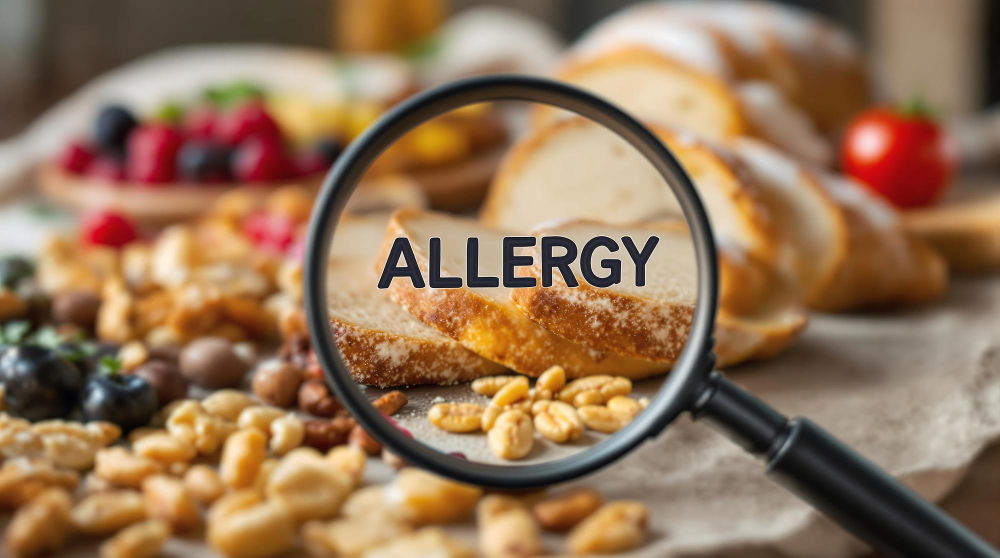
Many foods can cause allergies, but some are more common than others. For example, children often react to milk, eggs, peanuts, and tree nuts. Adults may also react to shellfish, fish, or wheat. The most common food allergy triggers include:
Sometimes, even a small amount of the food can cause a reaction. Because labels may not always be clear, always check ingredient lists before eating new foods.
Diagnosis Methods
How to diagnose food allergies? Doctors use several methods to find out if you have a food allergy. First, they will ask about your symptoms and medical history. Next, they may suggest tests such as:
Because these tests can sometimes give false results, your doctor will use your history and test results together to make a diagnosis.
Treatment Options
Once you know you have a food allergy, the best treatment is to avoid the trigger food. However, accidents can happen. For mild symptoms, antihistamines may help. In contrast, for severe reactions, doctors may prescribe an epinephrine auto-injector. This device can stop a life-threatening reaction. Always carry your medicine if you have a known allergy. Also, teach family and friends how to help in an emergency.
Lifestyle Tips for Managing Food Allergies
Managing food allergies at home can feel challenging, but simple steps can help. For example, you can:
Because mistakes can happen, always have your emergency medicine nearby. With planning, you can enjoy meals safely.
Prevention Strategies
Preventing food allergies in children is a common concern for parents. While some allergies cannot be prevented, research suggests that introducing common foods early may help. For example, the WHO and CDC recommend giving babies peanut and egg products around 6 months of age, unless your doctor advises otherwise. Other tips include:
However, always talk to your doctor before making changes to your child’s diet.
When to See a Doctor
If you or your child have food allergy symptoms, it is important to see a healthcare professional. For example, if you notice swelling, trouble breathing, or severe stomach pain, seek help right away. Even if symptoms are mild, a doctor can help you find the cause and create a safe plan. Regular check-ups can also help you manage food allergies over time.
In summary, food allergies can be serious, but with the right knowledge, you can stay safe. Consult a healthcare professional for personalized advice on food allergies.