
Introduction
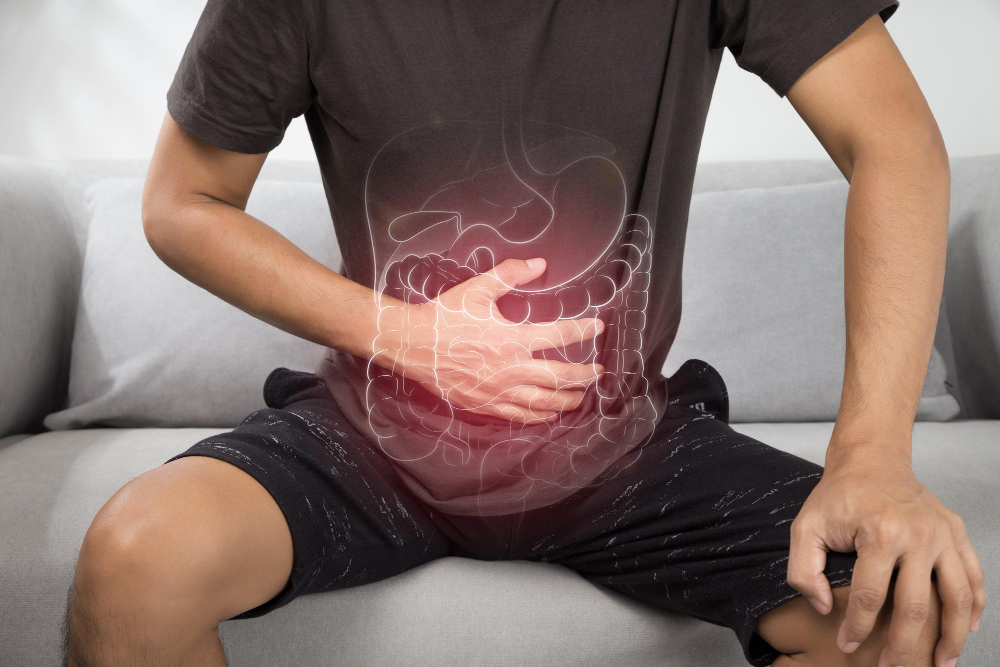
Gastrointestinal disorders affect the stomach, intestines, and liver. Many people face issues like acidity, ulcers, or liver problems. According to the World Health Organization (WHO), digestive diseases are common worldwide. Because these conditions can cause discomfort, it is important to know how to manage them. In this blog, you will learn about managing acidity, ulcer symptoms, and liver health tips. You will also find ways to prevent and treat these problems.
Symptoms of Acidity, Ulcers, and Liver Issues
Recognizing symptoms early can help you seek treatment. However, symptoms may vary for each condition. Below are some common signs to watch for:
Sometimes, symptoms can be mild. But if they last for more than a few days, you should seek help. For example, ongoing stomach pain or yellow skin needs quick attention.
Common Causes and Risk Factors
Many factors can lead to gastrointestinal disorders. Knowing these can help you avoid problems. Here are some common causes and risks:
For liver health, viral infections like hepatitis or long-term alcohol use are major risks. In some regions, water quality and food safety can also play a role.
Diagnosis Methods
Doctors use several ways to find the cause of your symptoms. Early diagnosis helps in better treatment. Common methods include:
Sometimes, more tests are needed. But your doctor will guide you based on your symptoms.
Treatment Options (Medical and Lifestyle)
Treatment depends on the exact problem. However, most people benefit from a mix of medicine and lifestyle changes. Here are some common options:
In addition, doctors may suggest:
Always follow your doctor’s advice for gastrointestinal disorder treatment. Never stop medicines without asking your doctor.
Prevention Tips and Healthy Habits
Preventing stomach ulcers and liver problems is possible with simple steps. Here are some tips:
In some areas, food and water safety are extra important. So, always check local health advice.
When to See a Doctor
Sometimes, home care is not enough. You should see a doctor if you have:
Early treatment can prevent serious problems. Therefore, do not wait if you notice these signs.
Conclusion
Gastrointestinal disorders can affect anyone. But with the right knowledge, you can manage acidity, prevent ulcers, and keep your liver healthy. For the best results, follow healthy habits and seek medical help when needed. Consult a healthcare specialist for personalized advice on gastrointestinal health.