
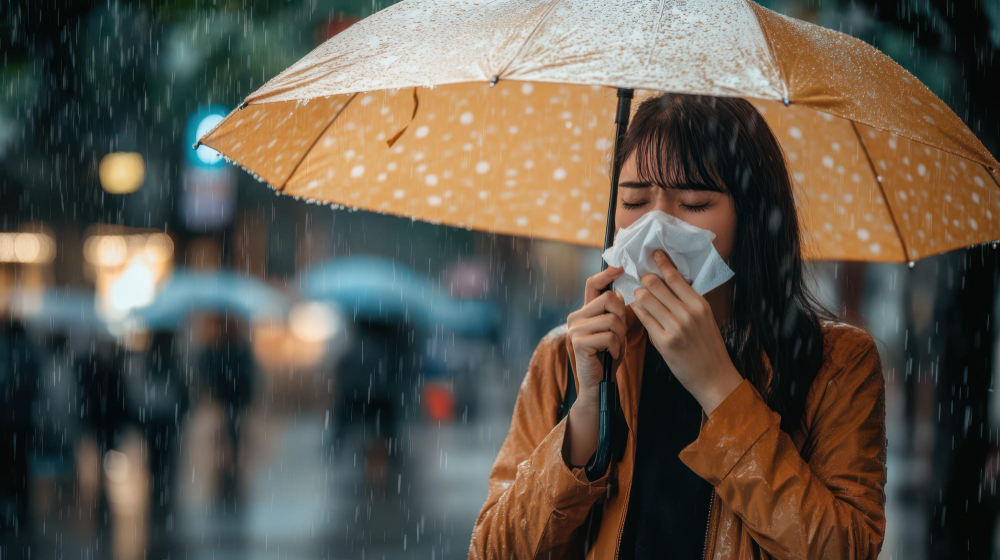
Introduction to Monsoon Illnesses
During the rainy season, monsoon illnesses such as malaria, dengue, and leptospirosis become common. These diseases spread quickly due to standing water and increased humidity. As a result, many people fall sick during this time. Knowing about these illnesses helps you stay safe. According to the World Health Organization (WHO), millions are affected by these diseases each year. In this blog, you will learn about symptoms, causes, diagnosis, treatment, and prevention of these monsoon illnesses.
Common Symptoms of Each Illness
Recognizing symptoms early can help you get timely treatment. However, each illness has its own signs. Below are the common symptoms:
Although these symptoms may seem similar, some differences can help doctors identify the illness. If you notice any of these signs, seek medical advice quickly.
Causes and Risk Factors
Monsoon illnesses spread due to specific causes. For example, malaria and dengue are caused by mosquito bites. On the other hand, leptospirosis spreads through water or soil contaminated by animal urine. During the monsoon, water collects in open areas, making it easy for mosquitoes to breed. Additionally, walking in dirty water increases the risk of leptospirosis. Some risk factors include:
Because these factors are common during the rainy season, it is important to stay alert.
Diagnosis Methods
Doctors use different tests to diagnose monsoon illnesses. First, they check your symptoms and medical history. Then, they may suggest blood tests to confirm malaria or dengue. For malaria, a blood smear test looks for the parasite. For dengue, tests check for the virus or antibodies. In the case of leptospirosis, blood or urine tests help find the bacteria. Early diagnosis is important because it leads to better treatment outcomes.
Treatment Options
Treatment depends on the illness and how severe it is. For malaria, doctors usually prescribe antimalarial medicines. Dengue does not have a specific cure, but doctors manage symptoms with fluids, rest, and pain relievers like paracetamol. Importantly, avoid aspirin or ibuprofen, as they can cause bleeding. Leptospirosis is treated with antibiotics. In severe cases, hospital care may be needed. Always follow your doctor’s advice and complete the full course of medicines.
Prevention Tips and Lifestyle Guidance
Prevention is better than cure, especially during the monsoon. Here are some tips to protect yourself and your family:
Additionally, eat healthy foods to boost your immune system. Drink clean, boiled, or filtered water. By following these steps, you can lower your risk of monsoon illnesses.
When to Seek Medical Help
Sometimes, symptoms can get worse quickly. Therefore, seek medical help if you notice:
Early treatment can save lives. Do not wait for symptoms to get worse. Instead, visit a healthcare specialist right away.
Consult a healthcare specialist for personalized advice on monsoon illnesses.