
What Is Osteoporosis?
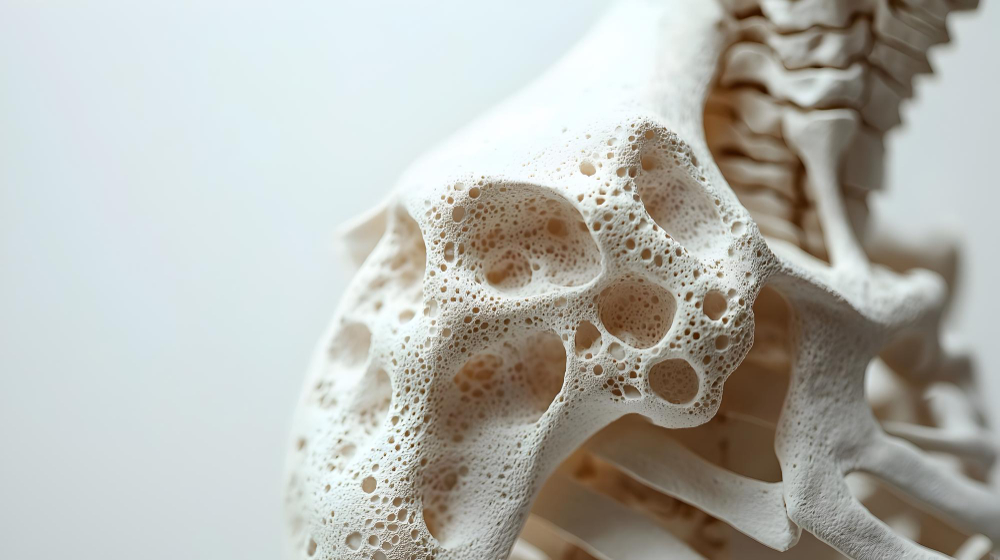
Osteoporosis is a condition that makes bones weak and easy to break. As people age, bones can lose strength. Because of this, even a small fall can cause a fracture. Osteoporosis prevention is important for everyone, especially as we get older. According to the CDC, millions of people are at risk for this disease.
Why Does Osteoporosis Prevention Matter?
Preventing osteoporosis helps you stay active and independent. If you keep your bones strong, you lower your risk of painful fractures. In addition, strong bones help you move easily and enjoy daily life. Early prevention can also save you from future health problems.
Osteoporosis Risk Factors
Some people have a higher chance of getting osteoporosis. However, knowing your risk can help you take action. Common osteoporosis risk factors include:
Even if you have some risk factors, you can still take steps to protect your bones.
Practical Osteoporosis Prevention Tips
There are many ways to prevent osteoporosis naturally. For example, simple changes in your diet and lifestyle can make a big difference. Try these osteoporosis prevention tips:
Eat for Bone Health
Stay Active
Adopt Healthy Habits
Screening and Early Detection
Screening helps find osteoporosis before you break a bone. For example, a bone density test can measure bone strength. Doctors often suggest screening for women over 65 and men over 70. However, if you have risk factors, you may need testing earlier. Early detection allows you to start treatment and prevent fractures.
When to Consult a Doctor
It is important to talk to your doctor if you have risk factors for osteoporosis. Also, see your doctor if you have lost height, had a fracture, or have questions about bone health. Your doctor can suggest tests and give advice based on your needs. In addition, they can help you choose the best prevention plan.
Summary
In summary, osteoporosis prevention is key to keeping your bones healthy. By eating well, staying active, and avoiding harmful habits, you can lower your risk. Early screening and talking to your doctor are also important steps. For personalized osteoporosis prevention advice, consult a healthcare professional.