
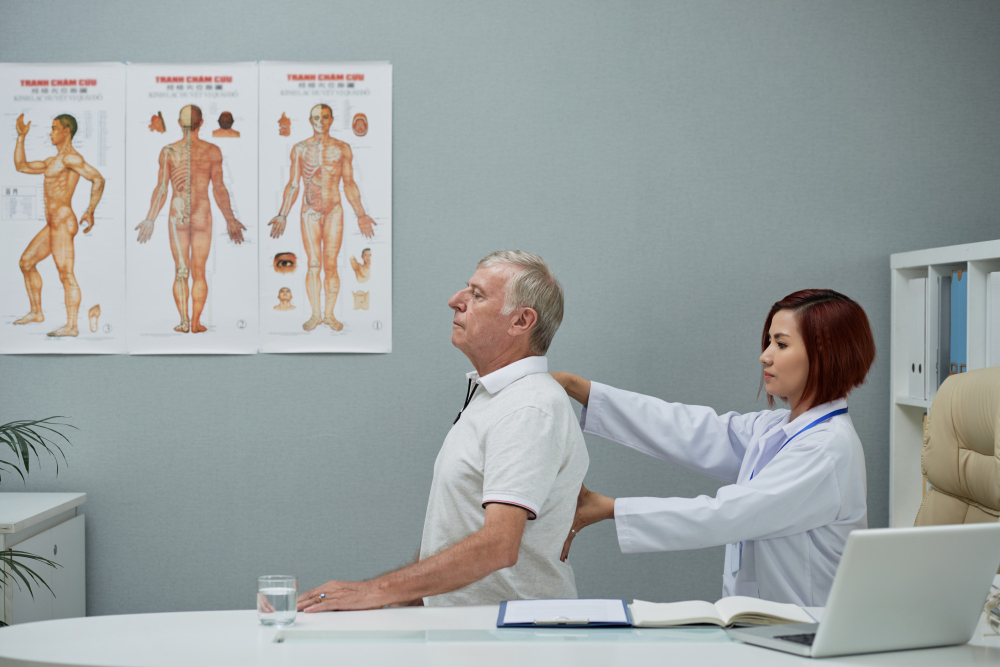
Introduction
Many people suffer from intense lower back pain due to a slip disc. A slip disc, also called a herniated disc, happens when the soft part inside a spinal disc pushes out. This can press on nerves and cause pain. However, not everyone needs surgery. In fact, slip disc care often focuses on non-surgical ways to manage pain and improve daily life. This blog will explain what a slip disc is, its symptoms, causes, and how you can manage slip disc without surgery.
What Is a Slip Disc?
A slip disc occurs when one of the discs between the bones in your spine moves out of place. These discs act as cushions. When a disc slips, it can press on nearby nerves. As a result, you may feel pain, numbness, or weakness. Most often, slip discs affect the lower back, but they can also happen in the neck.
Common Symptoms of a Slip Disc
Slip disc symptoms can vary. However, some signs are more common than others. You may notice:
Sometimes, symptoms can be mild. But in other cases, the pain can be intense and limit your daily activities.
Causes and Risk Factors
There are many reasons why a slip disc may happen. For example, aging can make the discs weaker. In addition, sudden injuries or heavy lifting can cause a disc to slip. Other risk factors include:
Because these factors add stress to your spine, they increase the risk of a slip disc.
Diagnosis: How Doctors Identify a Slip Disc
Doctors use several steps to diagnose a slip disc. First, they ask about your symptoms and medical history. Next, they perform a physical exam to check your strength, reflexes, and feeling in your legs. Sometimes, doctors order imaging tests, such as:
These tests help doctors see the spine and confirm if a disc has slipped. According to the CDC and peer-reviewed studies, most cases can be managed without surgery.
Non-Surgical Treatment Options
Many people find relief from lower back pain using non-surgical slip disc treatment. Let’s look at some common options.
Physical Therapy
Physical therapists teach exercises that strengthen your back and core muscles. As a result, you may feel less pain and move more easily. Therapists also show you safe ways to bend, lift, and sit.
Pain Management
Lifestyle Modifications
Small changes can make a big difference. For example, practice good posture when sitting or standing. Use chairs with back support. In addition, avoid lifting heavy objects. If you must lift, bend your knees and keep your back straight.
Exercise and Stretching Routines
Gentle exercises can help manage slip disc without surgery. For instance, walking, swimming, or yoga can keep your back strong. Stretching your hamstrings and lower back muscles may also ease pain. However, always check with your doctor or therapist before starting new exercises.
Alternative Therapies
Prevention Tips for Lower Back Pain
While not all slip discs can be prevented, you can lower your risk. Try these tips:
Because these habits support your spine, they help prevent future pain.
When to Seek Medical Help
Most slip discs improve with non-surgical slip disc treatment. However, see a doctor if you have:
Early treatment can prevent further problems. Therefore, do not wait if your symptoms get worse.
Consult a healthcare specialist for personalized slip disc care and pain management advice.