
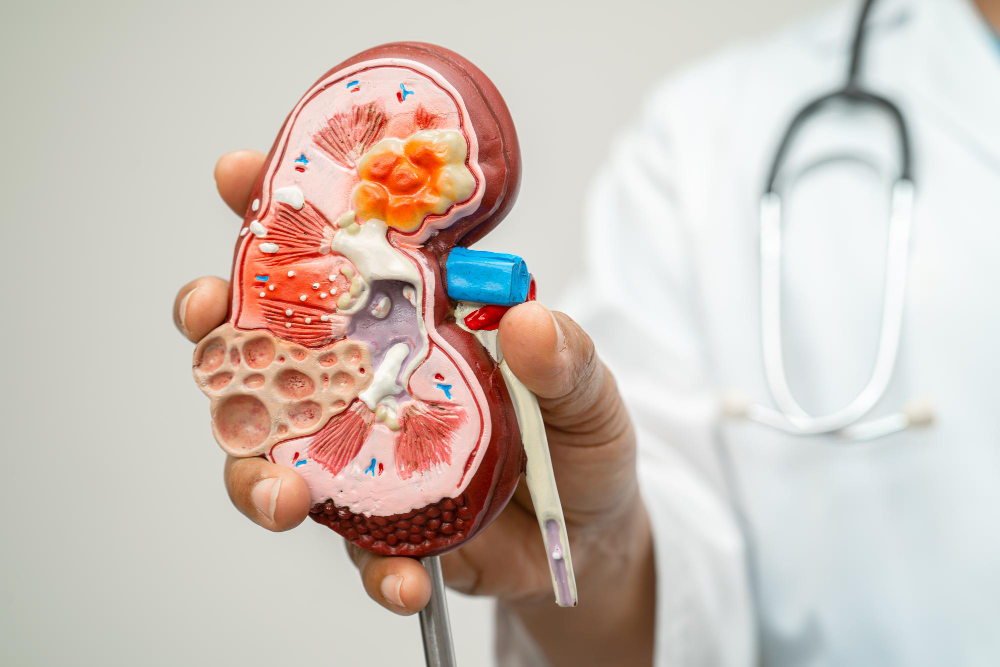
What is Chronic Kidney Disease (CKD)?
Chronic kidney disease, or CKD, means your kidneys are not working as well as they should. Over time, this can get worse. Because kidneys help remove waste and extra water from your blood, their job is important. If CKD is not managed, it can lead to kidney failure. Then, you may need dialysis or a kidney transplant. For this reason, learning about early detection in chronic kidney disease is key to protecting your health.
Why Early Detection Matters
Early detection of chronic kidney disease can make a big difference. When CKD is found early, you can slow its progress. In fact, you may even prevent serious problems. Many people do not notice symptoms until the disease is advanced. Therefore, regular check-ups are important. Early treatment can help you stay healthy longer and avoid kidney failure.
Common Symptoms of Early CKD
Often, early CKD does not cause clear symptoms. However, you may notice some signs. For example, you might feel more tired than usual. Or, you could have swelling in your hands or feet. Other possible symptoms include:
Because these signs can be mild, it is easy to miss them. That is why early detection in chronic kidney disease is so important.
Risk Factors for CKD
Some people have a higher risk of CKD. Knowing your risk can help you take action. Common risk factors include:
If you have any of these risk factors, you should talk to your doctor. Early testing can help catch CKD before it gets worse.
How CKD is Diagnosed Early
Doctors use simple tests to find CKD early. For instance, a blood test can check how well your kidneys filter waste. This is called the eGFR test. In addition, a urine test can look for protein or blood. High levels may mean your kidneys are not working right. Sometimes, your doctor may also check your blood pressure. Regular testing is the best way to spot CKD early, especially if you have risk factors.
Benefits of Early Intervention
When CKD is found early, you have more options. Early treatment can slow down kidney damage. As a result, you may avoid kidney failure. You can also lower your risk of heart disease and other problems. Early care often means making small changes to your lifestyle or taking medicine. Because of this, early detection in chronic kidney disease can help you live a longer, healthier life.
Lifestyle Tips for Kidney Health
There are many ways to keep your kidneys healthy. For example, you can:
Even small changes can make a big difference. With these kidney health tips, you can help prevent kidney disease or slow its progress.
Prevention Strategies
Preventing kidney disease is possible for many people. First, get regular health check-ups. Second, manage any health problems like diabetes or high blood pressure. Third, follow your doctor’s advice about medicines and diet. In addition, avoid overusing painkillers, as they can harm your kidneys. By taking these steps, you can lower your risk and protect your kidneys for years to come.
If you have concerns about your kidney health, talk to your healthcare provider. Early advice and testing can help you stay healthy and prevent serious problems.