
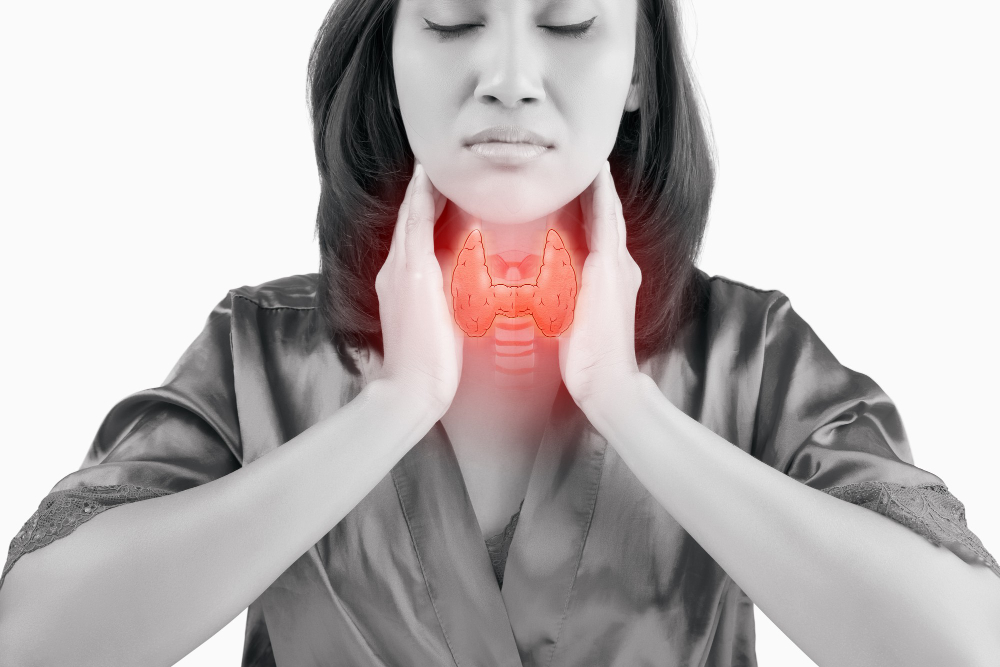
What Are Thyroid Disorders?
The thyroid is a small gland in your neck. It makes hormones that help control your body’s energy and metabolism. When the thyroid does not work right, it can cause thyroid disorders. These problems can affect your whole body. According to the World Health Organization (WHO), millions of people worldwide have thyroid disorders. Because these conditions are common, it is important to know the signs and how to manage thyroid health.
Common Symptoms of Thyroid Disorders
Thyroid disorder symptoms can vary. Some people may not notice them at first. However, knowing the signs can help you seek help early. Common symptoms include:
For example, an underactive thyroid (hypothyroidism) often causes tiredness and weight gain. On the other hand, an overactive thyroid (hyperthyroidism) may cause weight loss and a fast heartbeat.
Causes and Risk Factors
Many things can cause thyroid problems. Sometimes, the immune system attacks the thyroid. This is called an autoimmune disease. Other causes include:
Because some risk factors cannot be changed, it is important to know your family history. Still, healthy habits can help lower your risk.
How Thyroid Disorders Are Diagnosed
If you have symptoms, your doctor may suggest tests. Early diagnosis can help you manage thyroid health better. Common ways to diagnose thyroid problems include:
Because symptoms can be mild, regular check-ups are important, especially if you have risk factors. The Centers for Disease Control and Prevention (CDC) recommends talking to your doctor if you notice any changes.
Treatment Options for Thyroid Disorders
Treatment for thyroid disease depends on the type and cause. Your doctor will choose the best plan for you. Common treatment options include:
For example, people with hypothyroidism often take daily hormone pills. Those with hyperthyroidism may need medicine to slow down the thyroid. In some cases, other therapies are needed. Always follow your doctor’s advice for managing thyroid health.
Prevention Tips and Lifestyle Guidance
While not all thyroid disorders can be prevented, healthy habits can help. Here are some tips:
Additionally, staying informed about your health can help you spot problems early. If you notice any symptoms, talk to your doctor right away.
When to Seek Medical Advice
Because thyroid disorders can affect many parts of your body, early treatment is important. If you have any symptoms or risk factors, do not wait. Consult a healthcare professional for personalized advice on thyroid disorders.