
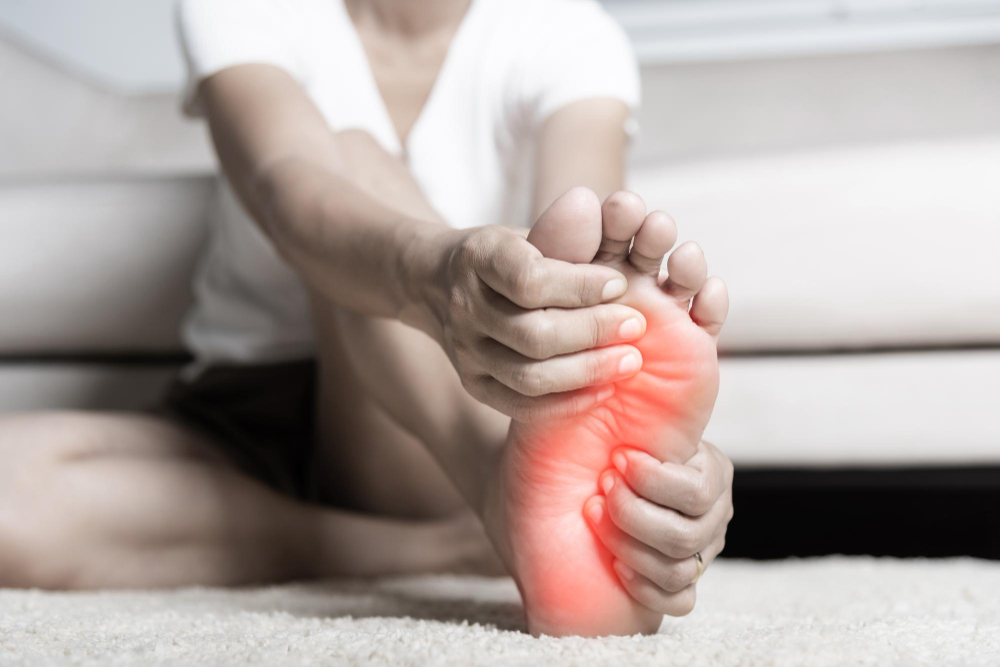
What is Neuropathy?
Neuropathy is a condition that affects the nerves outside the brain and spinal cord. These nerves help your body feel, move, and control many functions. When they are damaged, you may notice changes in how you feel or move. For many people, neuropathy can cause pain, numbness, or weakness. Because it can affect different nerves, symptoms may vary. According to the CDC, millions of people worldwide live with neuropathy. Early understanding helps you manage neuropathy better.
Common Symptoms of Neuropathy
Neuropathy symptoms can be mild or severe. They often start slowly and may get worse over time. However, knowing the signs can help you seek help sooner. Common neuropathy symptoms include:
Sometimes, neuropathy can also affect digestion, blood pressure, or bladder control. If you notice these symptoms, talk to your doctor.
Causes and Risk Factors
There are many causes of neuropathy. Diabetes is the most common cause, but other factors can play a role. For example, injuries, infections, or certain medicines may damage nerves. Some people are more at risk than others. Here are key risk factors:
Because some causes are preventable, knowing your risks can help you take action.
How Neuropathy is Diagnosed
Doctors use several steps to diagnose neuropathy. First, they ask about your symptoms and medical history. Next, they may do a physical exam to check your nerves and muscles. Often, tests are needed to find the cause. These may include:
Early diagnosis is important. It helps you start the right neuropathy treatment options sooner.
Treatment Options for Neuropathy
There are many ways to treat neuropathy. The best neuropathy treatment depends on the cause and your symptoms. For example, if diabetes is the cause, controlling blood sugar is key. Treatment options may include:
Sometimes, doctors may suggest special treatments like nerve blocks. In many cities, you can find neuropathy treatment centers that offer these services. Always talk to your doctor before starting any new treatment.
Lifestyle Tips and Self-Care
While medical treatments help, self-care is also important. With the right steps, you can manage neuropathy and improve your quality of life. Here are some tips:
Because small changes can make a big difference, try to include these habits in your daily routine.
Prevention and When to See a Doctor
Although not all cases can be prevented, you can lower your risk of neuropathy. For instance, managing chronic conditions and avoiding toxins helps. To prevent neuropathy:
If you notice new symptoms like numbness, pain, or weakness, see a doctor soon. Early care can stop neuropathy from getting worse. In summary, knowing when to seek help is key to managing neuropathy well.
Consult a healthcare specialist for personalized advice on neuropathy.