
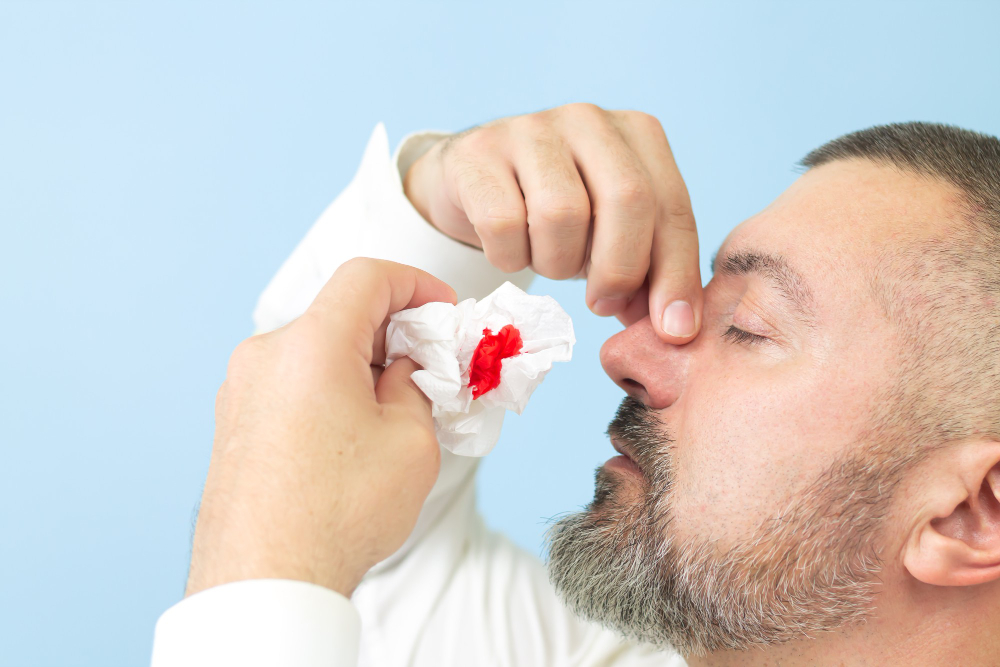
What is Epistaxis? Understanding the Causes and Symptoms of Nosebleeds

Epistaxis, also known as a nosebleed, is a common problem that affects people of all ages. While most nosebleeds are not serious, they can be scary. Many people wonder about the causes of epistaxis and how to stop a nosebleed safely. In this blog, we will explain what epistaxis is, its causes, symptoms, diagnosis, and treatment. We will also share tips to prevent nosebleeds and let you know when to see a doctor.

What is Epistaxis?

Epistaxis is the medical term for a nosebleed. It happens when blood vessels inside your nose break and bleed. Usually, the bleeding comes from the front part of the nose. This area has many tiny blood vessels that can break easily. Most nosebleeds are mild and stop on their own. However, some can be heavy or last longer, needing medical help.

Common Causes of Epistaxis

There are many reasons why someone might get a nosebleed. Some causes are simple, while others may need a doctor’s care. For example, dry air or nose picking can lead to bleeding. Below are common nose bleed causes:

  • Dry air: Heaters and air conditioners can dry out the nose lining.
  • Nose picking or blowing: Picking or blowing your nose too hard can injure blood vessels.
  • Injury or trauma: A bump or hit to the nose can cause bleeding.
  • Allergies or colds: Sneezing and runny noses can irritate the nose lining.
  • Medications: Blood thinners or nasal sprays may increase bleeding risk.
  • Medical conditions: High blood pressure, bleeding disorders, or infections can lead to nosebleeds.
  • Foreign objects: Children sometimes put small items in their noses, causing bleeding.
  • Recognizing Symptoms of Epistaxis

    Most people notice blood coming from one or both nostrils. Sometimes, blood may drip down the throat. In addition, you may feel a tickling or warm sensation in your nose. While most nosebleeds are mild, some signs mean you should seek help:

  • Bleeding that lasts longer than 20 minutes
  • Heavy bleeding or blood loss
  • Feeling dizzy or weak
  • Bleeding after an injury to the head or face
  • Frequent nosebleeds without a clear reason
  • How is Epistaxis Diagnosed?

    Doctors use a few simple steps to diagnose epistaxis. First, they will ask about your health and any recent injuries. Next, they will look inside your nose with a small light. Sometimes, they may check your blood pressure or ask about medications. If nosebleeds happen often, your doctor may order blood tests. These tests check for bleeding problems or other health issues. In rare cases, imaging tests like X-rays may be needed.

    Treatment Options for Epistaxis

    Most nosebleeds can be treated at home. However, some may need medical care. Here are common steps and treatments:

  • First aid: Sit upright and lean forward. Pinch your nostrils together for 10-15 minutes. Breathe through your mouth. Do not tilt your head back, as this may cause blood to go down your throat.
  • Cold compress: Placing a cold pack on the nose can help slow bleeding.
  • Medical treatment: If bleeding does not stop, a doctor may use special medicines, pack the nose, or seal the blood vessel (cauterization).
  • Treating underlying causes: If a medical condition or medication is causing nosebleeds, your doctor will address it.
  • Prevention Tips for Epistaxis

    There are simple ways to lower your risk of nosebleeds. For example, keeping your nose moist can help. Here are some easy tips:

  • Use a humidifier in dry rooms
  • Apply a thin layer of petroleum jelly inside your nostrils
  • Avoid picking or blowing your nose too hard
  • Stay away from smoke and strong chemicals
  • Use nasal sprays only as directed
  • Wear protective gear during sports
  • When to See a Doctor

    While most nosebleeds are not serious, some need medical attention. You should see a doctor if:

  • Bleeding lasts more than 20 minutes
  • You have frequent or heavy nosebleeds
  • You feel faint, weak, or short of breath
  • There is blood after a head injury
  • You take blood thinners or have a bleeding disorder
  • Frequently Asked Questions about Epistaxis

  • Is epistaxis dangerous? Most nosebleeds are not dangerous and stop on their own. However, heavy or frequent bleeding needs a doctor’s care.
  • Can children get nosebleeds? Yes, children often get nosebleeds, especially from nose picking or dry air.
  • What should I do if my nose bleeds often? You should talk to your doctor to find the cause and get the right treatment.
  • Can weather cause nosebleeds? Yes, dry or cold weather can dry out the nose and cause bleeding.
  • Should I tilt my head back during a nosebleed? No, always lean forward to avoid swallowing blood.
  • In summary, epistaxis or nosebleeds are common and usually not serious. However, knowing the causes, symptoms, and treatments can help you manage them safely. If you have frequent or heavy nosebleeds, consult your healthcare professional for personalized advice and care.