What is Tuberculosis?
Tuberculosis, often called TB, is a serious infection caused by bacteria. It mainly affects the lungs, but it can spread to other parts of the body. According to the World Health Organization (WHO), millions of people get tuberculosis each year. TB spreads through the air when a person with active TB coughs or sneezes. Because it can be dangerous, knowing about tuberculosis symptoms, how it is diagnosed, and ways to prevent it is important for everyone. Many people search for “tuberculosis symptoms,” “how is tuberculosis diagnosed,” and “tuberculosis prevention tips” to stay informed.
Common Symptoms of Tuberculosis
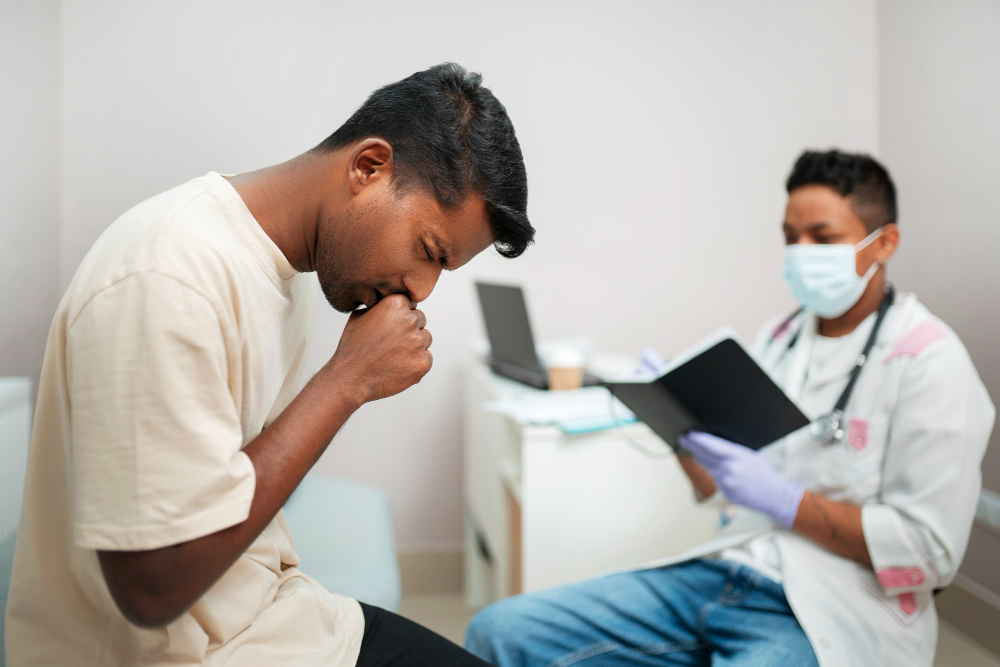
Early detection of TB is key. However, symptoms can be mild at first. Over time, they may get worse. If you notice any of these signs, you should talk to a doctor:
Sometimes, TB can affect other parts of the body, like the kidneys or spine. In these cases, symptoms may be different. For example, you might have back pain or blood in your urine.
Causes and Risk Factors
TB is caused by a type of bacteria called Mycobacterium tuberculosis. You can get TB if you breathe in air droplets from someone with active TB. But not everyone who is exposed will get sick. Some people have a higher risk. For instance, your risk increases if you:
Additionally, poor nutrition and certain medical conditions can make you more likely to get TB.
How Tuberculosis is Diagnosed
Doctors use several tests to find out if you have TB. Early diagnosis helps prevent the spread of the disease. If you have symptoms, your doctor may suggest:
Sometimes, more tests are needed if TB is outside the lungs. For example, doctors may test urine or tissue samples. The Centers for Disease Control and Prevention (CDC) recommends these steps for accurate TB diagnosis.
Treatment Options for Tuberculosis
TB treatment usually involves taking several antibiotics for at least six months. It is important to finish all your medicine, even if you feel better. Otherwise, the bacteria can become resistant, making TB harder to treat. Your doctor will guide you through the treatment plan. Common TB treatment medicines include:
In some cases, people need different medicines if the TB bacteria are resistant. Directly observed therapy (DOT) may be used to help people take their medicine correctly. According to WHO, following the full treatment plan is the best way to cure TB and stop its spread.
Prevention and Lifestyle Tips
Preventing tuberculosis is possible with a few simple steps. You can protect yourself and others by:
Additionally, regular check-ups help catch TB early. If you live or work in a high-risk area, talk to your doctor about TB prevention tips.
When to See a Doctor
If you have a cough that lasts more than three weeks, or if you notice blood in your sputum, see a doctor right away. Also, if you have been in close contact with someone who has TB, you should get tested. Early action can help prevent serious health problems. Remember, TB is treatable and curable with the right care.
For personalized advice about tuberculosis, consult a healthcare specialist. Early diagnosis and proper treatment can save lives.