
Introduction
High cholesterol, also known as hyperlipidemia, is a common health concern. Many people do not know they have it because it often has no symptoms. However, high cholesterol can lead to serious problems, such as heart disease and stroke. Understanding the causes of high cholesterol and its risk factors can help you make better choices for your health.
What Is High Cholesterol (Hyperlipidemia)?
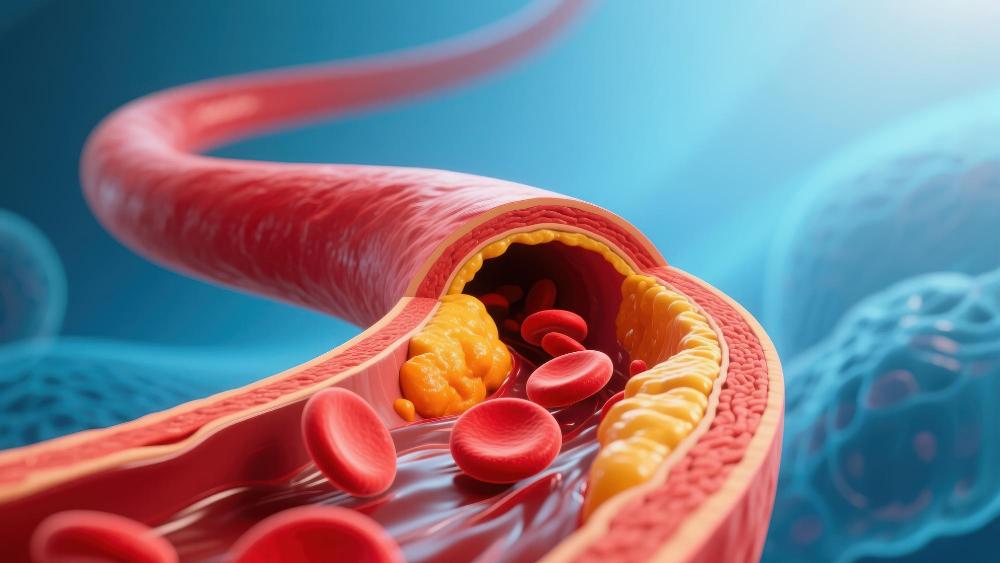
Cholesterol is a waxy, fat-like substance found in your blood. Your body needs some cholesterol to build cells and make hormones. However, too much cholesterol can build up in your blood vessels. This buildup can block blood flow and increase your risk of heart disease. Hyperlipidemia is the medical term for high levels of cholesterol or fats in the blood.
Main Causes of High Cholesterol
Several factors can cause high cholesterol. Some are within your control, while others are not. For example, your diet and lifestyle play a big role. But sometimes, genetics or other health conditions are the main cause. Here are the most common causes of high cholesterol:
Risk Factors for Hyperlipidemia
Many things can increase your risk of developing high cholesterol. While some risk factors cannot be changed, others can be managed. For instance, making healthy lifestyle choices can lower your risk. Here are the main risk factors for hyperlipidemia:
How Lifestyle Choices Impact Cholesterol Levels
Making healthy choices can help control your cholesterol. For example, eating more fruits, vegetables, and whole grains can lower your cholesterol. Regular exercise, such as walking or cycling, also helps. In addition, quitting smoking and limiting alcohol can make a big difference. Even small changes in your daily habits can lead to better cholesterol levels over time.
Conclusion
In summary, high cholesterol (hyperlipidemia) has many causes and risk factors. While some, like age or family history, cannot be changed, many are linked to lifestyle. By eating well, staying active, and avoiding smoking, you can lower your risk. If you are concerned about your cholesterol, consult a healthcare provider for personalized advice on managing high cholesterol.