
Introduction
Many people wonder about the benefits of regular health check-ups. These visits are more than just routine. In fact, they help you stay healthy and catch problems early. Regular health check-ups can make a big difference in your life. For this reason, prevention is key to good health.
What Are Regular Health Check-ups?
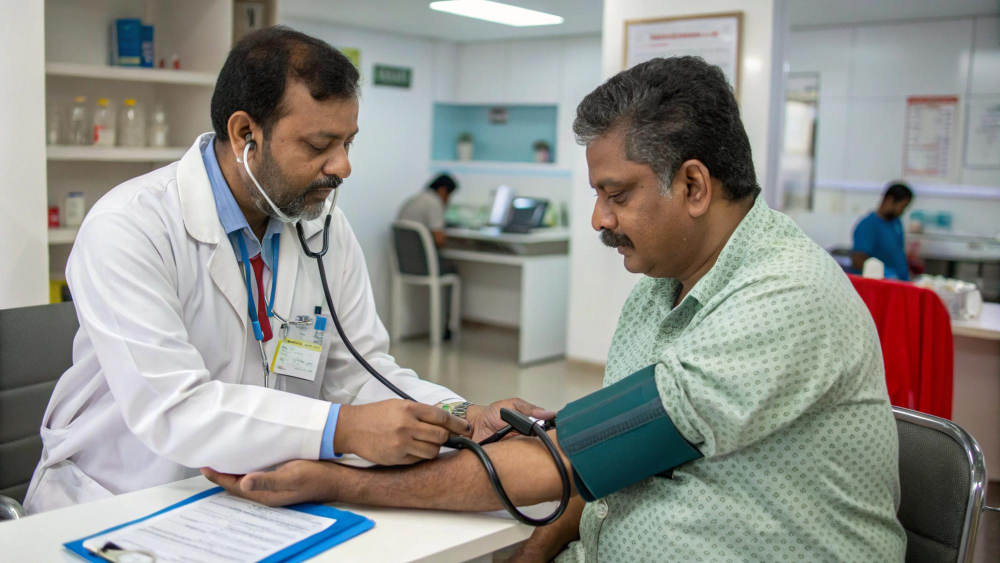
Regular health check-ups are visits to your doctor, even when you feel well. During these visits, your doctor checks your overall health. For example, they may ask about your habits, check your blood pressure, and order simple tests. These visits are also called preventive health screenings or routine medical exams. Their main goal is to find health problems early and keep you healthy.
Key Benefits of Regular Health Check-ups
There are many reasons to see your doctor regularly. Here are some important benefits:
Why Prevention Matters in Internal and Family Medicine
Prevention is a main focus in both internal and family medicine. Doctors in these fields help you avoid illness, not just treat it. For example, they may suggest lifestyle changes or screenings based on your age and family history. According to the CDC, preventive health screening can lower your risk for many diseases. Therefore, regular visits help you and your family stay healthy for years to come.
What to Expect During a Health Check-up
During a routine medical exam, your doctor will:
Sometimes, your doctor may suggest extra tests based on your age or risk factors. For example, adults over 50 may need colon cancer screening.
How Often Should You Get Checked?
The right schedule for check-ups depends on your age, health, and family history. However, here are some general guidelines:
Always ask your healthcare provider for advice on how often you should come in. They can tailor the plan to your needs.
Tips for Making the Most of Your Check-ups
To get the best results from your health check-ups, try these tips:
Moreover, always let your doctor know about any family health changes. This helps them spot risks early.
Conclusion & Call-to-Action
In summary, the benefits of regular health check-ups are clear. They help with early disease detection, prevention, and peace of mind. Routine medical exams can also save money and protect your family’s health. Therefore, do not wait for symptoms to appear. Consult your healthcare provider to schedule your next health check-up and get personalized advice.