
Introduction
Neurological complaints, such as headaches and migraines, are very common. Many people experience these issues at some point in their lives. Understanding headaches and migraines is important because they can affect work, school, and family life. Early recognition and proper management can help reduce pain and improve quality of life. In this blog, we will explain what headaches and migraines are, their symptoms, causes, and how to manage them effectively.
What Are Headaches and Migraines?
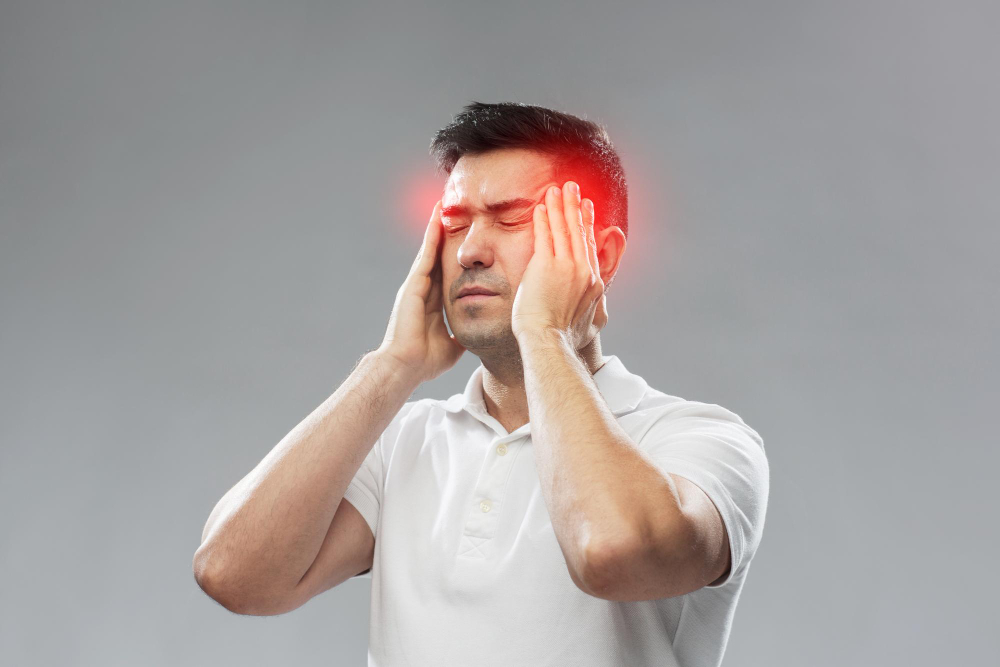
Headaches are pains felt in any part of the head. They can be mild or severe. Migraines are a special type of headache. They often cause intense pain, usually on one side of the head. Migraines can also bring other symptoms, such as nausea or sensitivity to light. While both are neurological complaints, migraines tend to last longer and can be more disabling than regular headaches.
Common Symptoms of Headaches and Migraines
Recognizing symptoms early can help with migraine relief and better management. Although symptoms can vary, some are more common than others. For example, headaches often cause:
On the other hand, migraines may include:
Sometimes, people notice warning signs before a migraine starts. These are called “auras.” For instance, you might see zigzag lines or feel tingling in your hands or face.
Causes and Triggers
There are many causes and triggers for headaches and migraines. Some are easy to avoid, while others are not. For example, common headache triggers include:
Migraines can also be triggered by:
According to the World Health Organization (WHO), genetics can play a role in migraine risk. However, lifestyle factors are also important.
How Headaches and Migraines Are Diagnosed
Doctors diagnose headaches and migraines by asking about your symptoms and medical history. They may also do a physical exam. In some cases, tests like brain scans are needed to rule out other neurological symptoms or conditions. Usually, no special tests are required if your symptoms match common patterns. However, always tell your doctor if your headaches change or get worse.
Effective Treatment Options
Treating headaches and migraines depends on their type and cause. For mild headaches, simple steps often help. For example:
For migraines, doctors may suggest:
Sometimes, a mix of treatments works best. Always follow your doctor’s advice and never take more medicine than recommended.
Lifestyle Tips for Prevention and Management
Making small changes can help prevent headaches and manage migraines. For instance, you can:
Additionally, keeping a headache diary can help you find patterns and avoid triggers. This can make managing migraines easier over time.
When to See a Doctor
Most headaches are not serious. However, you should see a doctor if:
Early medical care can help rule out serious problems and provide better migraine relief.
Conclusion
In summary, headaches and migraines are common neurological complaints that can disrupt daily life. Recognizing symptoms, avoiding triggers, and following treatment plans can help you feel better. Consult a healthcare professional for personalized advice on managing headaches and migraines.